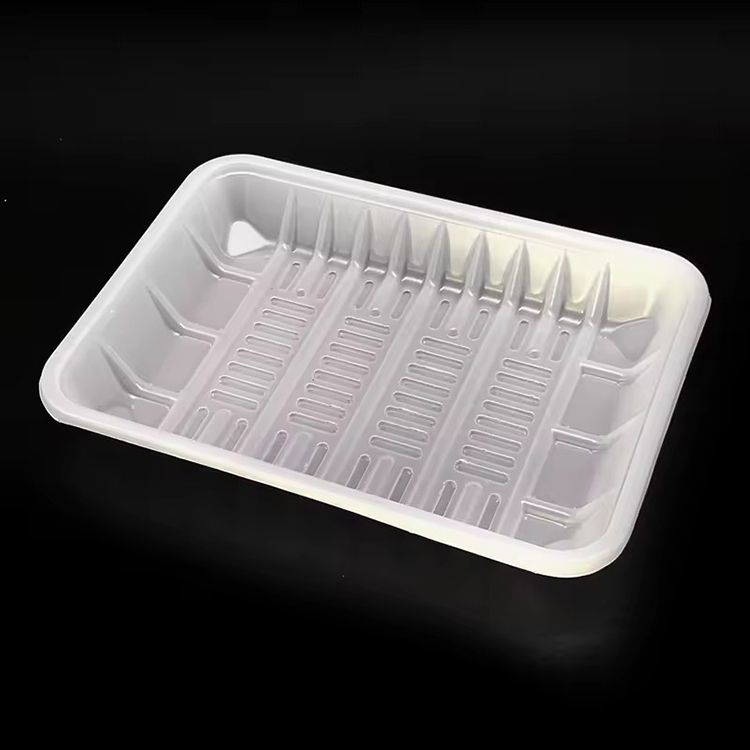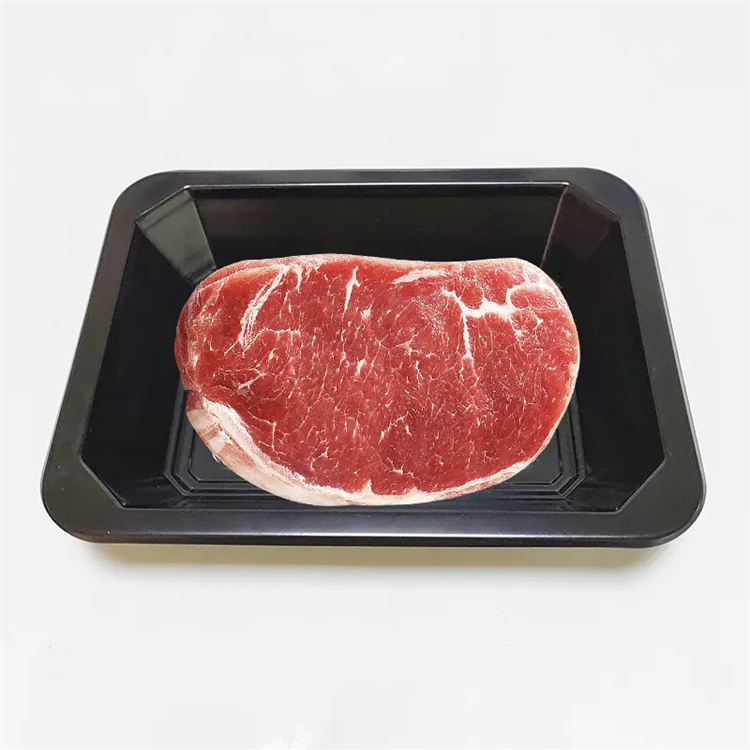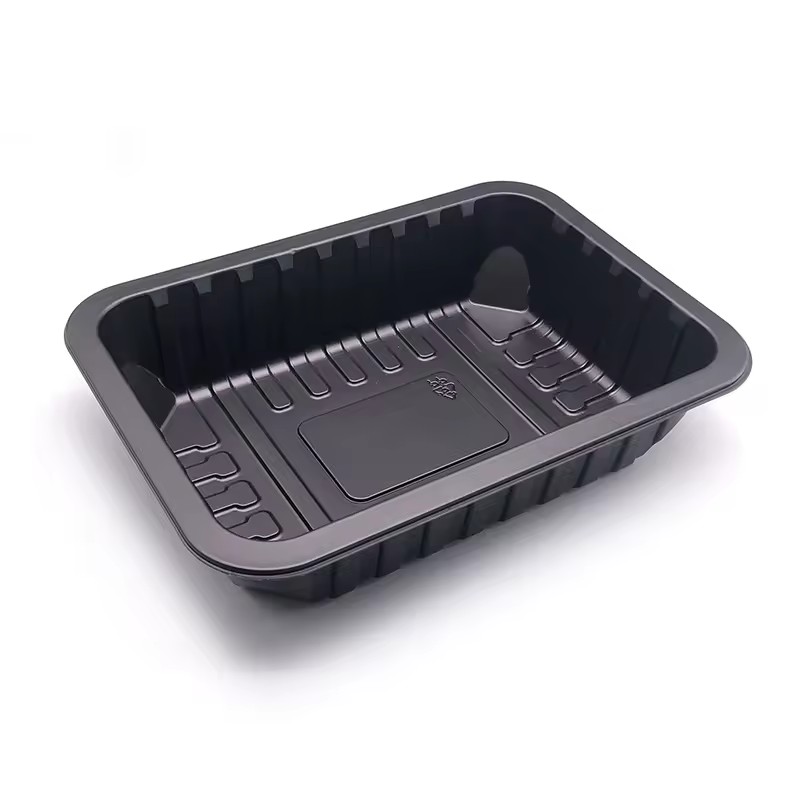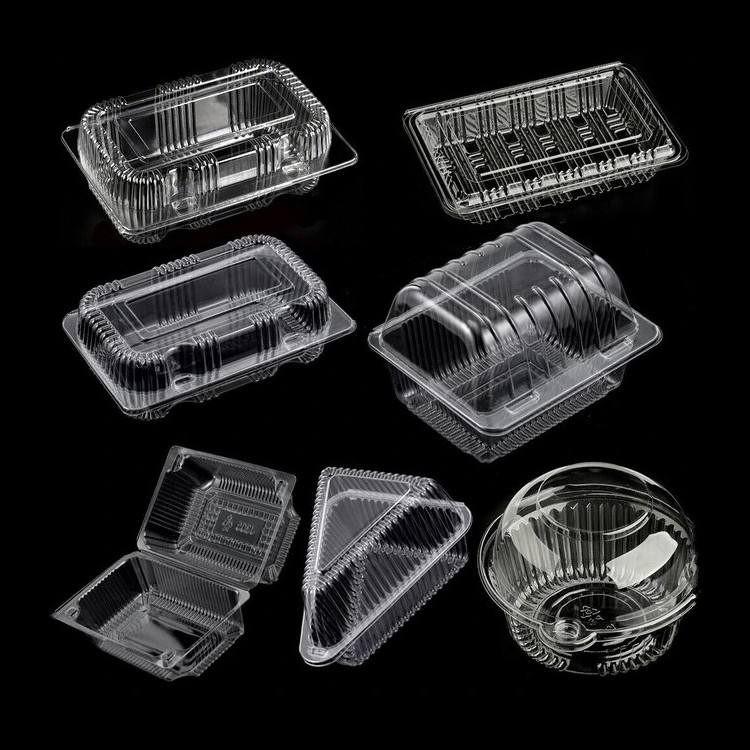
MAP Packaging Trays are create an airtight seal that encapsulates the product in a controlled environment, minimizing exposure to air. The sealing ensures that harmful substances like dust, dirt, bacteria, and airborne particles are excluded from the packaging. This protective seal is achieved using high quality sealable films, often vacuum-sealed or heat-sealed, which prevent air from entering and external contaminants from reaching the product. With this sealed packaging, the risk of contamination during handling, storage, or transport is drastically reduced. The closed nature of the packaging also protects the product from environmental pollutants such as smoke, pollen, or dust.
Reduced the Bacterial Growth:The primary function of Modified Atmosphere Packaging is to create an environment inside the tray that is inhospitable to microbial growth. By adjusting the composition of gases—such as reducing oxygen, increasing carbon dioxide, or introducing nitrogen—the packaging alters the conditions in which microorganisms thrive. For instance, lowering oxygen levels slows down the growth of aerobic bacteria and mold, which would otherwise lead to spoilage. On the other hand, increasing carbon dioxide has a bacteriostatic effect, inhibiting the growth of harmful microorganisms that could cause foodborne illnesses or contamination.
Barrier Properties of Packaging Materials: MAP Packaging Trays use specially engineered high-barrier films that provide a protective layer, preventing external contaminants from reaching the product. These films act as a physical barrier, offering resistance against moisture, gases, and air, which are the primary elements that cause spoilage, oxidation, and contamination. The barrier properties also play a significant role in maintaining the integrity of the modified atmosphere within the packaging. This sealed environment ensures that the product stays protected from ambient pollutants such as dirt, bacteria, and chemical contaminants that might compromise the product’s quality. These packaging materials are often resistant to tearing or puncturing, providing an extra layer of security against physical contaminants.
Hygienic Handling During the Packaging Process:The packaging process for MAP Packaging Trays takes place in controlled environments such as clean rooms or sanitized production areas. This hygienic approach significantly reduces the risk of contamination by limiting human contact with the product. Automated packaging lines are designed to minimize direct handling, ensuring that food or sensitive products come into contact only with sterile equipment. The environment in which MAP Packaging Trays are filled and sealed is regularly cleaned and sanitized, further ensuring that no foreign particles or microorganisms are introduced during the packaging process. By automating the process and employing sanitation standards, manufacturers ensure that the integrity of the product’s hygiene is preserved from the moment it is packaged.